
View on Amazon
Engaging Introduction
The landscape of interactive home entertainment has witnessed numerous evolutionary leaps, yet few accessories have transformed living room gaming quite like motion-sensing technology. When considering how to expand the capabilities of a legacy gaming setup, incorporating a specialized peripheral like the Microsoft Xbox 360 Kinect Sensor introduces an entirely controller-free dimension of interaction. This renewed hardware piece brings the signature horizontal sensor bar design directly to enthusiasts who wish to experience gesture- and voice-based entertainment without investing in entirely modern hardware ecosystems. By opting for a renewed unit, users gain access to specialized optical tracking hardware that integrates seamlessly into existing gaming arrangements while maintaining the iconic visual identity of the console generation.
Understanding the architecture and functional scope of this device requires examining how it communicates with the host console and interprets physical movement in real-time. The unit features a distinct black bar housing multiple lenses and sensors mounted on a stable, adjustable base displaying prominent branding. Because this is a renewed offering, it arrives inspected and prepared for continued use within a dedicated gaming environment. Navigating the requirements for proper connection involves recognizing specific hardware nuances, such as understanding power cable dependencies depending on the specific model of the console console being utilized. This comprehensive review explores every facet of the Microsoft Xbox 360 Kinect Sensor, detailing its feature set, practical integration, design characteristics, and ideal user profiles to help inform your entertainment decisions.
Key Features
The feature set of the Microsoft Xbox 360 Kinect Sensor revolves around advanced optical tracking and sensor technology designed to capture full-body movement without handheld controllers. Below is a detailed breakdown of the core attributes that define this accessory:
- Controller-Free Motion Tracking: Utilizes advanced sensor arrays to detect physical gestures, allowing users to navigate menus, play games, and interact with software entirely through body movements without holding any physical input device.
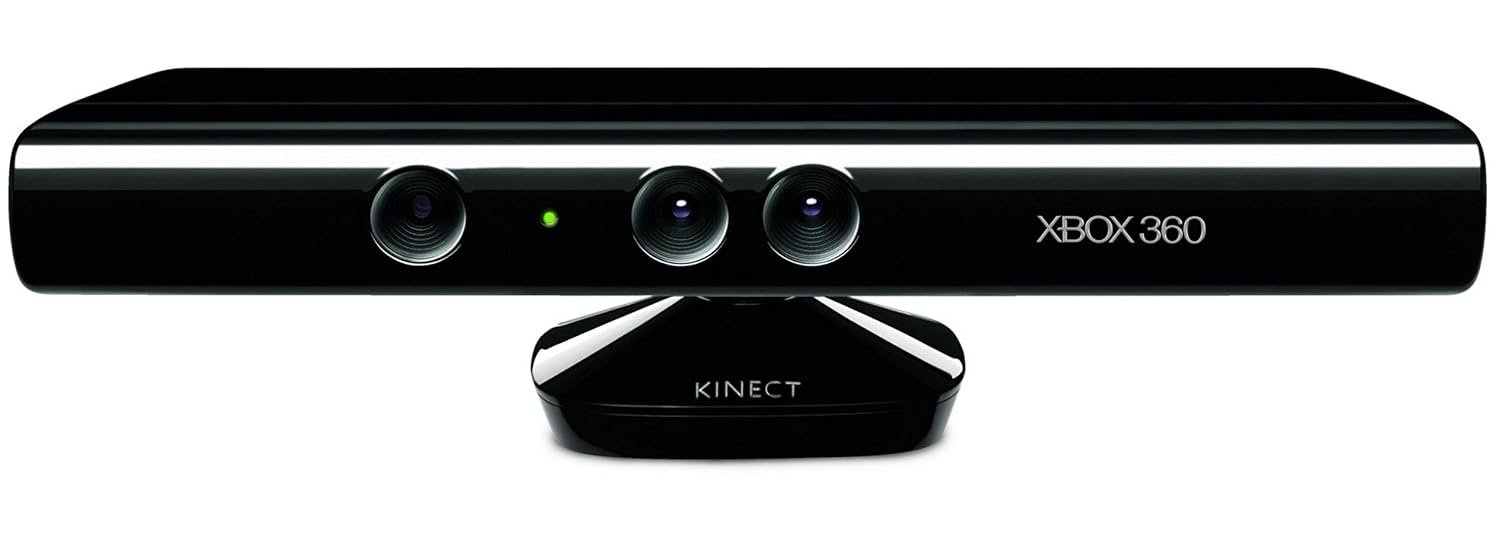
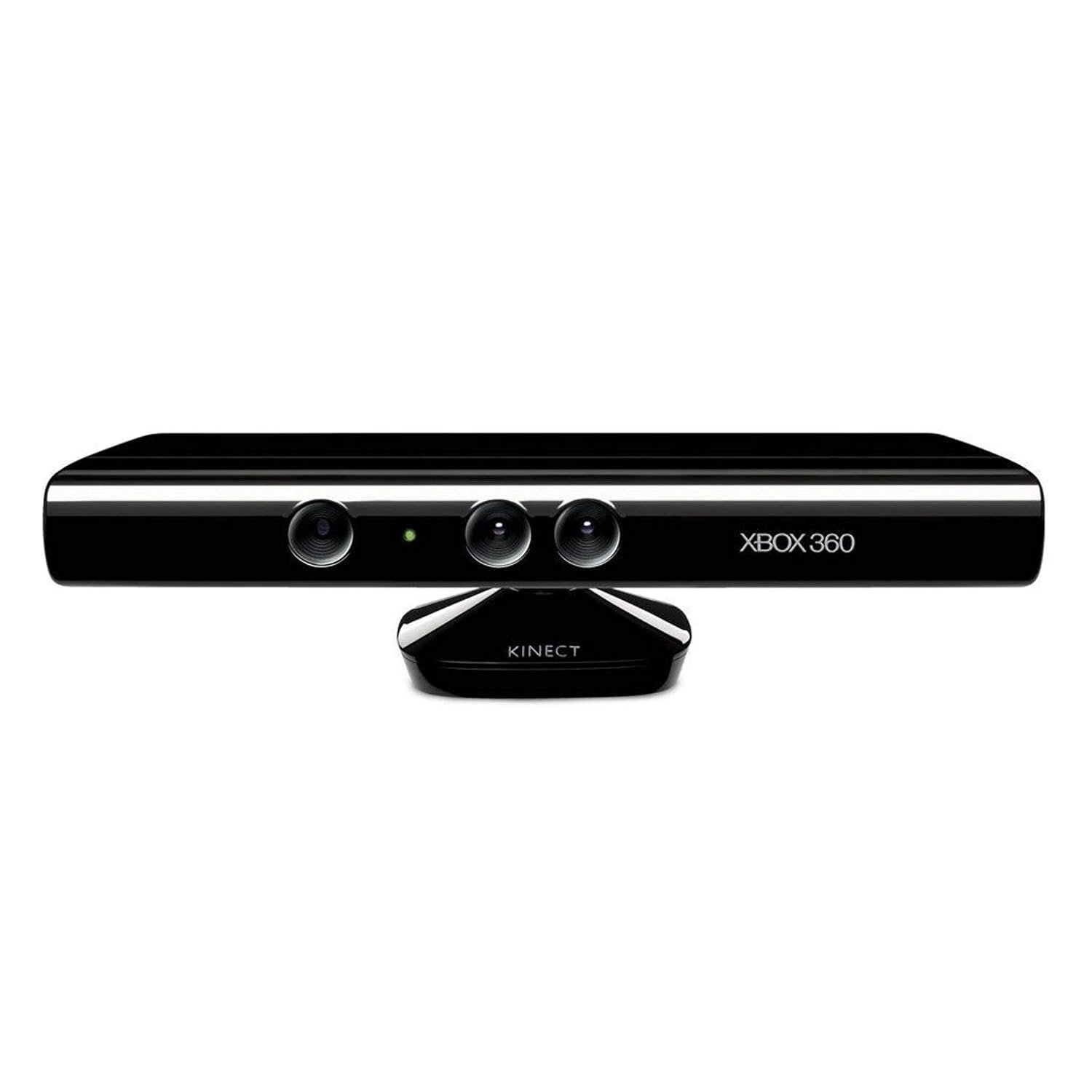
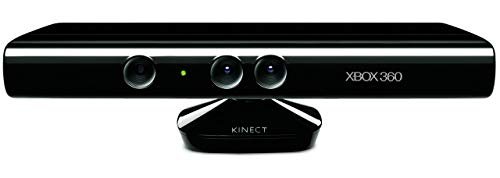
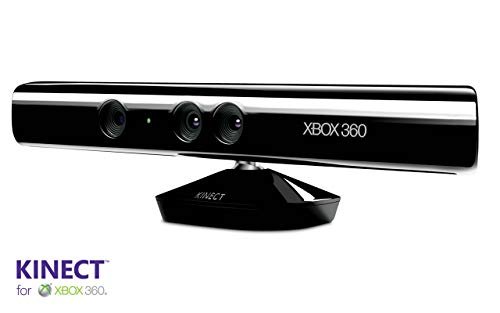
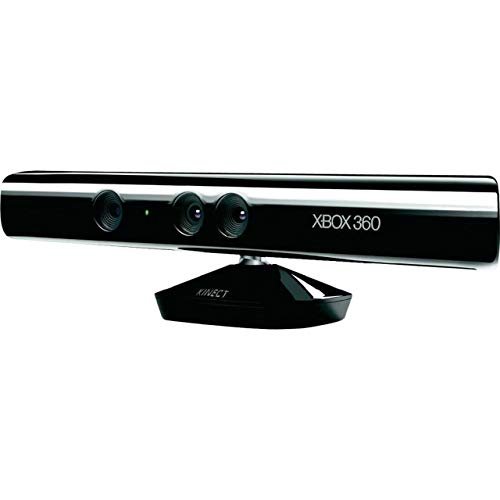
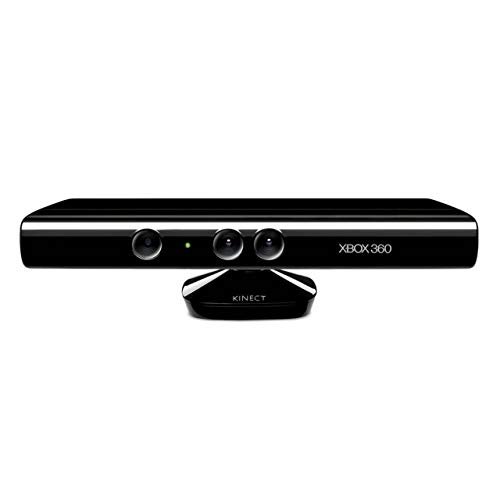
- Horizontal Sensor Bar Form Factor: Engineered with a wide, elongated horizontal housing that accommodates multiple camera lenses and internal tracking components for broad spatial coverage across standard living room environments.
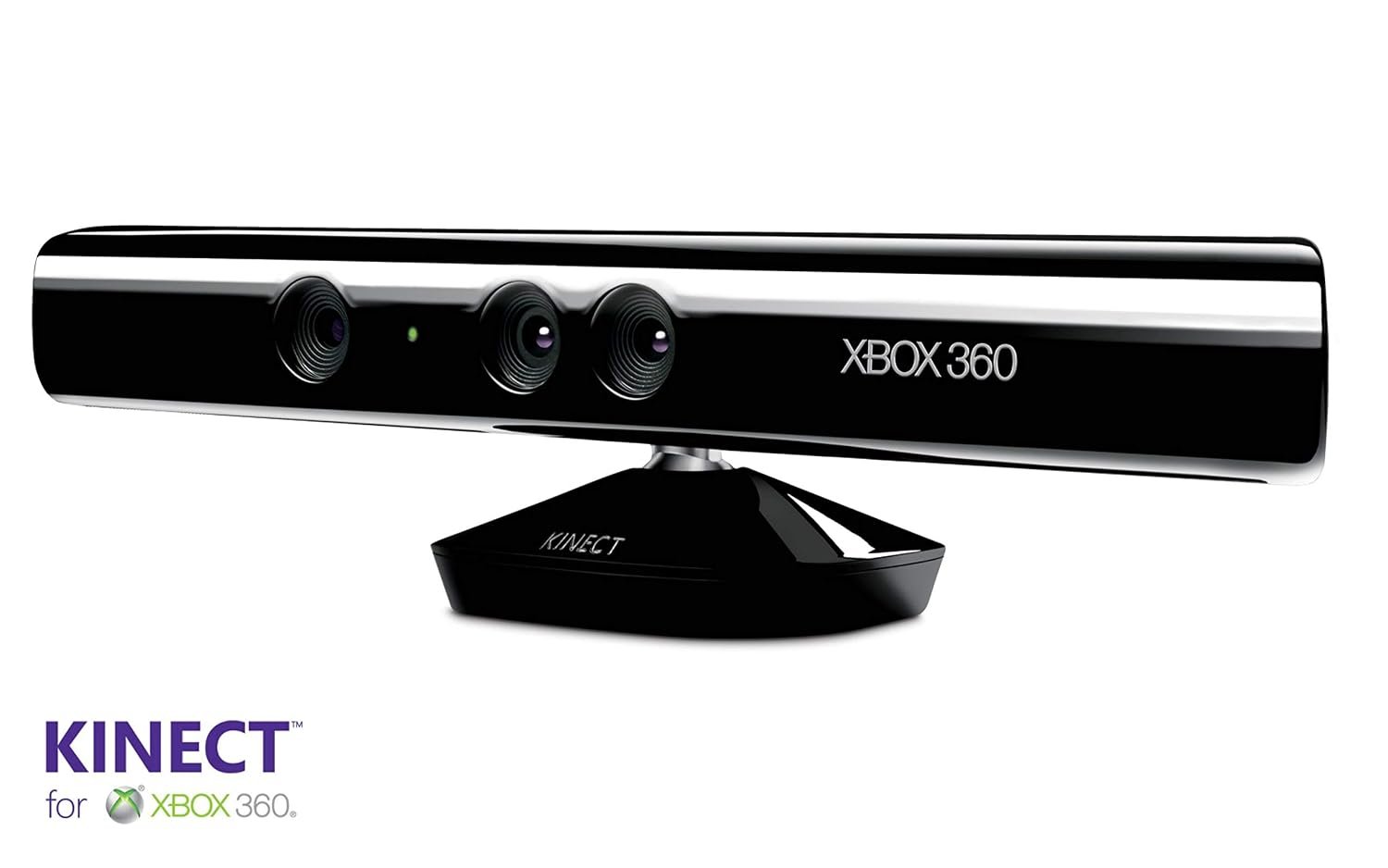
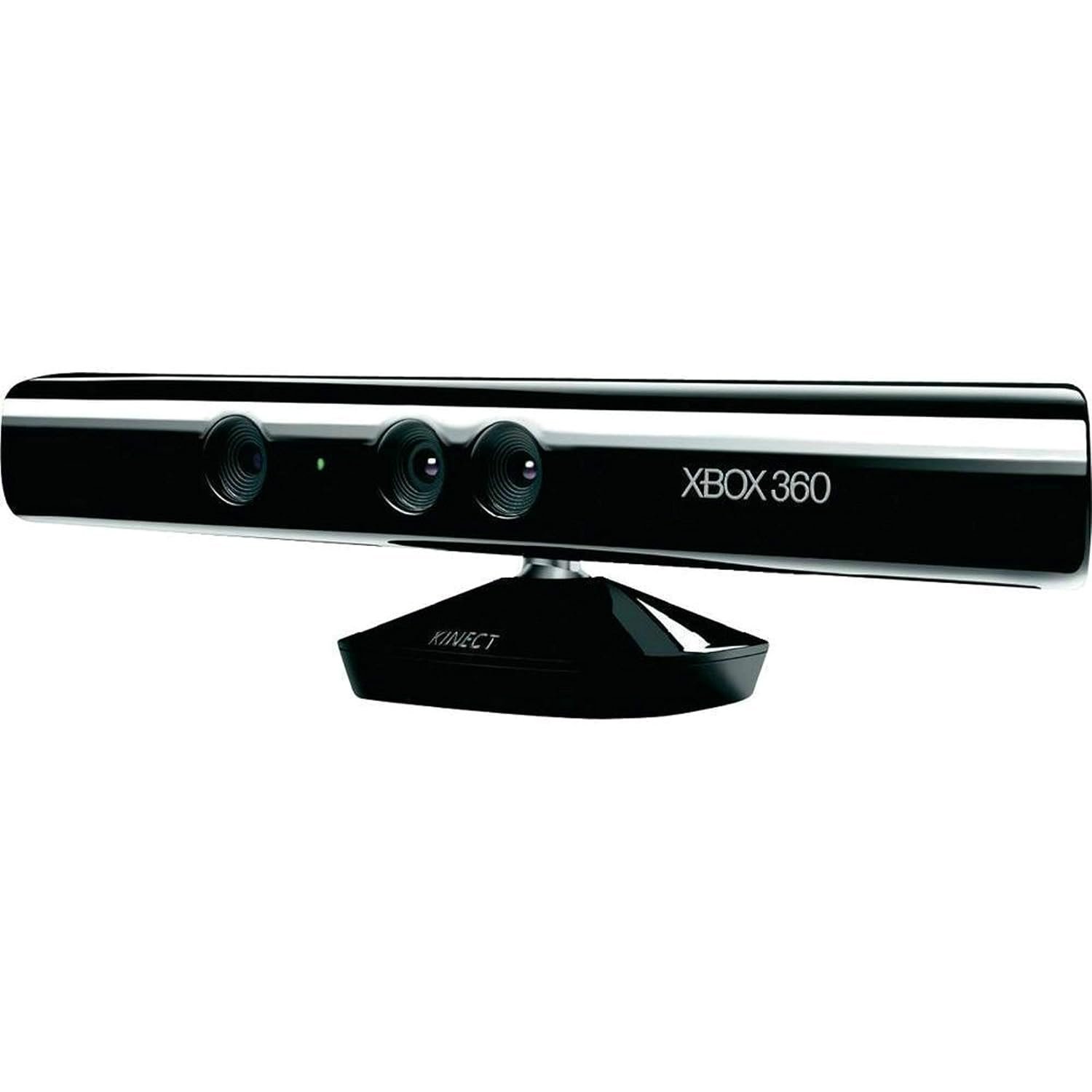
- Integrated Pivoting Base: Features a sturdy, weighted black pedestal stand attached via a mechanical hinge, enabling manual vertical adjustment to achieve optimal camera angles relative to the user’s seating or standing position.
- Visual Brand Integration: Displays clear embossed labeling, including the recognizable console branding on the right side of the sensor housing and the peripheral designation on the base stand for an authentic aesthetic.
- Multi-Lens Optical Array: Incorporates dual optical camera elements alongside internal depth-sensing components behind a sleek dark glass panel to accurately map physical spaces and movements.
- Renewed Hardware Status: Prepared and verified as a renewed product, offering a reliable pathway to acquiring legacy gaming accessories that are no longer manufactured in factory-new quantities.
- Console Connectivity Design: Engineered to interface directly with the designated proprietary port on compatible console hardware, bridging the hardware gap between motion peripherals and the base system.
- Model-Specific Power Considerations: Requires attention to connection specifications, explicitly noting that it does not come with the power cable needed for the original Xbox 360 model, ensuring users verify their specific console revision beforehand.
Specifications & Details
Examining the physical and structural attributes of the Microsoft Xbox 360 Kinect Sensor reveals a deliberate design focused on stability and wide-angle optical capture. The device consists of a primary horizontal bar constructed from durable black polymer, housing multiple optical lenses and a central status indicator light behind a tinted translucent faceplate. Flanking the central camera housing are the primary optical units, while the right side prominently features the embossed brand lettering characteristic of this hardware generation. The entire assembly rests securely upon a specially designed pedestal base that allows the sensor head to tilt upward or downward, accommodating various placement heights ranging from television media stands to low coffee tables.
Connectivity is handled through a specialized proprietary cable integrated directly into the hardware unit, designed to interface with the matching port on compatible console systems. It is crucial for prospective users to note that the package specifically does not come with the power cable needed for the original Xbox 360, meaning owners of older console iterations must source an auxiliary power supply or adapter separately to facilitate proper operation. Modernized console revisions may handle power delivery differently, but verifying these hardware requirements prior to setup ensures a smooth installation process. The uniform black color scheme and compact footprint allow the sensor to blend effortlessly into existing home entertainment centers alongside other media equipment.
Practical Benefits & Real-World Use
Integrating the Microsoft Xbox 360 Kinect Sensor into a home entertainment setup opens up diverse practical applications centered around active movement and immersive interaction. In a living room scenario, families can engage in full-body sports simulations, dance challenges, and fitness routines that transform a standard gaming session into an energetic physical activity. Because the sensor captures gestures without requiring anyone to hold a peripheral, transitioning between multiple participants during multiplayer party games becomes remarkably seamless, eliminating the need to pass around controllers or sync multiple wireless devices.
Beyond high-energy gaming, the optical tracking capabilities extend into interface navigation, allowing users to utilize simple hand waves and voice commands to control media playback, pause movies, or browse dashboard menus from across the room. This hands-free utility proves particularly beneficial when hands are occupied or when relaxing on the couch without a controller within immediate reach. Furthermore, utilizing a renewed unit allows enthusiasts to rebuild or expand a classic entertainment system economically, preserving access to a vast library of motion-controlled software titles that remain unmatched in their specific style of interactive engagement.
Build Quality & Design
The structural integrity of the Microsoft Xbox 360 Kinect Sensor reflects the robust manufacturing standards typical of the console’s hardware ecosystem. The outer casing utilizes a high-impact polymer shell finished in a matte and gloss black motif, designed to resist everyday dust accumulation while maintaining a sleek, unobtrusive appearance in media centers. The front optical panel is securely fitted behind a dark filter that conceals the internal sensors while permitting precise light transmission for movement tracking. Every seam and joint is tightly constructed, ensuring that the internal optical assemblies remain protected from minor bumps or repositioning adjustments.
The mechanical pivot base deserves special recognition for its thoughtful engineering, providing a balanced counterweight that prevents the sensor bar from tipping during angle adjustments. The hinge mechanism offers firm resistance, allowing the user to tilt the camera upward or downward and trusting that it will hold the desired position without drifting. The attached proprietary cable is sheavd in durable insulation, guarding against fraying or pinching when routed behind television stands or entertainment furniture. Overall, the physical presentation combines understated aesthetic design with durable material choices suited for active family environments.
Usage Experience & How It Fits Into a Routine
Incorporating the Microsoft Xbox 360 Kinect Sensor into a daily or weekly entertainment routine introduces an engaging element of physical activity and intuitive media control. Setting up the device involves positioning the horizontal bar centrally above or below the television screen, adjusting the tilt angle on the pivoting base to ensure the camera’s field of view encompasses the entire play area, and connecting the proprietary plug into the console. For owners of original console models, remembering to acquire the necessary auxiliary power cable ensures the hardware powers on correctly and initiates communication with the system software.
Once connected, the user experience transitions naturally from passive viewing or traditional controller-based gaming to active physical participation. Whether engaging in a quick afternoon stretching session, hosting a weekend gathering centered around multiplayer dancing games, or simply using hand gestures to pause a streaming video while standing across the room, the sensor becomes an invisible yet essential facilitator of the experience. The green indicator light on the front provides clear visual confirmation when the unit is active, removing any guesswork and allowing users to dive straight into their preferred entertainment activities without technical friction.
Who This Is For
The Microsoft Xbox 360 Kinect Sensor caters to a specific audience of legacy gaming enthusiasts, collectors, and families looking to maximize their existing entertainment hardware. Understanding who benefits most from this renewed accessory helps clarify its place in modern media rooms:
- Classic Gaming Enthusiasts: Collectors and retro gaming fans wanting to complete their hardware collection or experience motion-based titles as originally intended.
- Family Entertainment Organizers: Households seeking active, controller-free multiplayer games and party activities that get everyone moving in the living room.
- Budget-Conscious Retro Gamers: Individuals looking to acquire verified renewed hardware accessories to expand their console capabilities without purchasing modern virtual reality or newer motion systems.
- Media Room Upgraders: Users aiming to add hands-free navigation and voice-command capabilities to an existing legacy console setup for added convenience during movie nights.
Detailed Final Verdict
The Microsoft Xbox 360 Kinect Sensor (Renewed) stands out as an essential acquisition for anyone wishing to unlock the full controller-free potential of a legacy entertainment system. Its durable construction, wide-angle optical tracking, and adjustable pivoting base ensure it delivers reliable performance during high-energy gaming sessions and casual media navigation alike. By choosing a renewed hardware option, enthusiasts can secure a well-inspected unit that seamlessly integrates into existing console setups, breathing new life into classic software libraries and family game nights.
While users must remain mindful of specific hardware requirements—particularly the necessity of sourcing a separate power cable if connecting to an original console model—the overall value and unique interactive capabilities provided by this sensor are undeniable. It successfully bridges the gap between traditional button-based gaming and immersive physical movement, making it a worthy addition to any dedicated gaming room or family entertainment center. For those ready to experience gesture-driven entertainment and hands-on nostalgia, this renewed motion sensor delivers precisely what is needed to get moving.